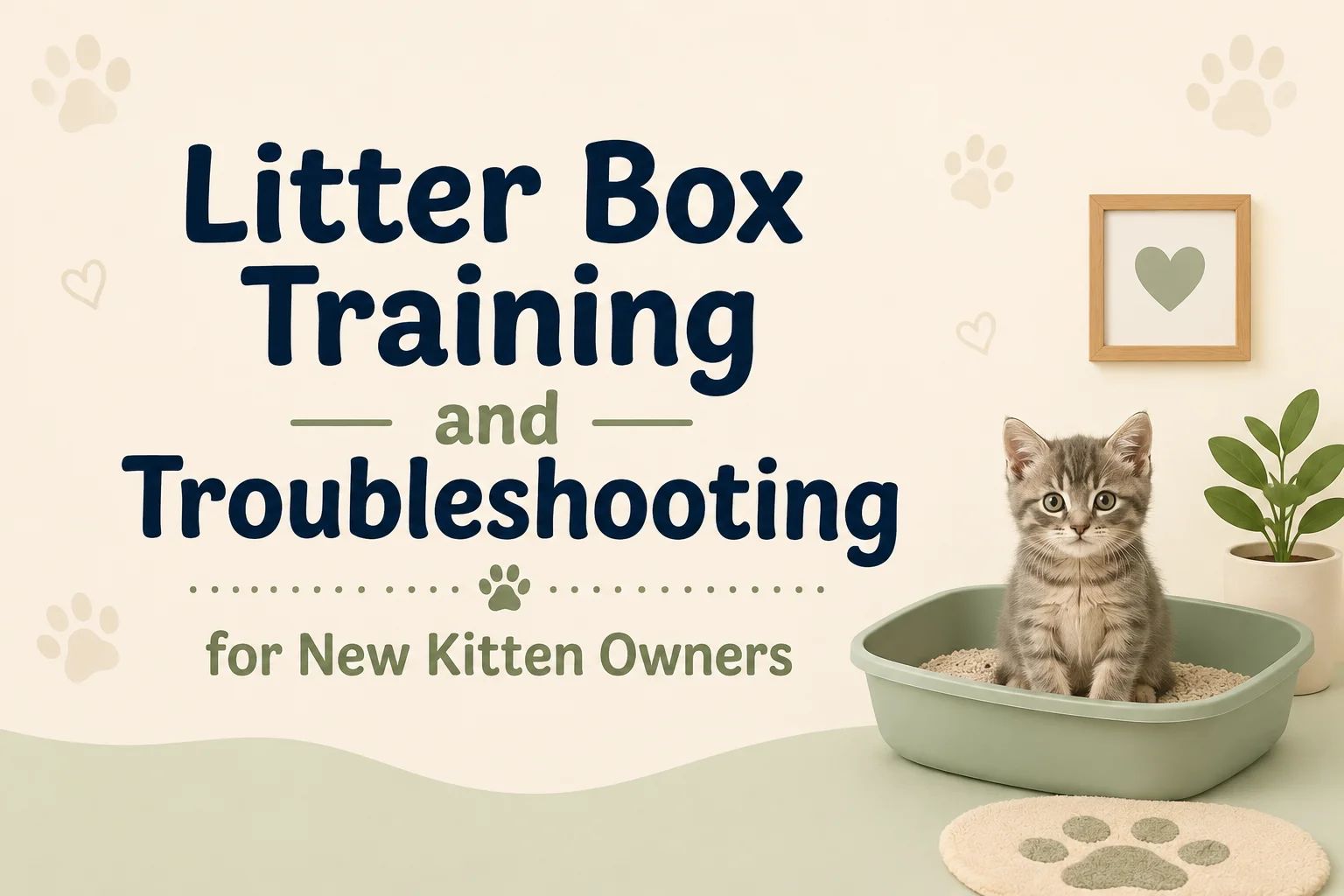
Bringing home a new kitten is an exciting experience filled with cuddles, playtime, and countless memorable moments. However, one of the first responsibilities every new cat owner faces is litter box training. Fortunately, cats are naturally clean animals, and most kittens can learn proper litter box habits relatively quickly with the right guidance.
Even though litter training is generally easier than house-training a puppy, challenges can still arise. Some kittens may avoid the litter box, have accidents around the house, or develop behavioral issues related to stress or improper litter box setup.
This comprehensive guide covers everything new kitten owners need to know about litter box training, common mistakes to avoid, and effective troubleshooting techniques to help your kitten develop healthy bathroom habits.
Why Litter Box Training Is Important
Proper litter box training benefits both you and your kitten.
It helps:
- Maintain a clean home
- Prevent unwanted accidents
- Reduce stress for your kitten
- Establish healthy habits early
- Strengthen the bond between pet and owner
Starting with the right approach can make litter training a smooth and successful experience.
When Should You Start Litter Training a Kitten?
Most kittens begin learning litter box habits from their mother at around three to four weeks of age.
By the time kittens are adopted at 8 to 12 weeks old, they often already understand basic litter box behavior.
However, moving to a new environment can temporarily disrupt these habits. New owners should begin reinforcing litter box training immediately after bringing their kitten home.
Understanding Natural Cat Behavior
Cats instinctively prefer to bury their waste. This natural behavior makes litter training easier than many other types of pet training.
A kitten typically seeks:
- A quiet location
- Soft digging material
- Privacy
- Safety
Your goal is to create an environment that encourages these natural instincts.
Choosing the Right Litter Box
The type of litter box you choose can significantly impact training success.
Open Litter Boxes
Advantages:
- Easy access
- Better ventilation
- Less intimidating for young kittens
Open boxes are often recommended for first-time kitten owners.
Covered Litter Boxes
Advantages:
- Better odor control
- More privacy
- Less litter scatter
However, some kittens may initially feel uncomfortable using enclosed spaces.
Size Matters
The litter box should be large enough for your kitten to:
- Turn around comfortably
- Dig easily
- Enter and exit without difficulty
As your kitten grows, you’ll likely need a larger box.
Selecting the Best Cat Litter
Not all cat litter products are suitable for kittens.
Unscented Litter
Most experts recommend unscented litter because strong fragrances can discourage kittens from using the box.
Clumping Litter
Clumping litter is popular because it simplifies cleaning.
However, very young kittens may accidentally ingest litter while grooming, so consult your veterinarian regarding the best option.
Non-Clumping Litter
This may be safer for younger kittens but often requires more frequent cleaning.
Avoid Strong Scents
Artificial fragrances can overwhelm a kitten’s sensitive sense of smell.
Where to Place the Litter Box
Location plays a major role in successful litter training.
Choose a Quiet Area
Place the box in a calm, low-traffic location.
Avoid areas near:
- Loud appliances
- Washing machines
- Busy hallways
Ensure Easy Access
Young kittens need quick access to their litter box.
In larger homes, consider placing multiple litter boxes throughout the house.
Keep Food and Water Separate
Cats prefer not to eliminate near their eating area.
Always keep litter boxes away from food and water bowls.
How to Introduce Your Kitten to the Litter Box
Step 1: Show the Litter Box Immediately
As soon as your kitten arrives home, place them inside the litter box.
Allow them to:
- Explore
- Sniff
- Dig
Do not force them to stay inside.
Step 2: Use Positive Reinforcement
When your kitten uses the litter box successfully:
- Offer praise
- Give gentle affection
- Provide occasional treats
Positive reinforcement helps reinforce good behavior.
Step 3: Establish a Routine
Place your kitten in the litter box:
- After meals
- After naps
- After play sessions
These are common times when kittens need to eliminate.
Common Litter Training Mistakes
Using the Wrong Litter
A kitten may dislike certain textures or scents.
Cleaning with Strong Chemicals
Harsh cleaners can leave odors that confuse your kitten.
Punishing Accidents
Never punish a kitten for accidents.
Punishment creates fear and anxiety, which may worsen the problem.
Changing Litter Frequently
Constantly switching litter brands can disrupt established habits.
How Long Does Litter Training Take?
Most kittens learn basic litter box habits within a few days.
However, complete consistency may take:
- Several weeks
- Occasionally a few months
Patience and consistency are essential.
Troubleshooting Common Litter Box Problems
Problem 1: Kitten Refuses to Use the Litter Box
Possible causes:
- Uncomfortable litter type
- Poor box location
- Dirty litter box
- Stress
Solutions:
- Try a different litter
- Move the box to a quieter location
- Clean more frequently
Problem 2: Accidents Outside the Box
Accidents are common during adjustment periods.
Possible causes:
- Incomplete training
- Stress
- Medical issues
Clean accidents thoroughly using enzyme-based cleaners to eliminate odors.
Problem 3: Kitten Uses Corners of the House
Some kittens choose specific locations repeatedly.
Solutions:
- Place a litter box near the chosen area temporarily
- Restrict access until training improves
Problem 4: Kitten Plays in the Litter Box
Young kittens often view the litter box as a play area.
This behavior usually decreases with age.
Provide:
- Interactive toys
- Daily playtime
- Mental stimulation
Problem 5: Digging Excessively
Some digging is normal.
Excessive digging may indicate:
- Anxiety
- Dissatisfaction with litter
- Attempts to find a suitable spot
Experiment with different litter textures if necessary.
Signs of Medical Problems
Sometimes litter box issues have medical causes.
Contact your veterinarian if you notice:
- Frequent urination
- Straining
- Blood in urine
- Diarrhea
- Sudden behavioral changes
Health problems should always be ruled out before assuming behavioral causes.
Managing Multi-Cat Households
If you have multiple cats, follow the “N+1 Rule.”
This means:
Number of Cats + One Additional Litter Box
Examples:
- One cat = Two litter boxes
- Two cats = Three litter boxes
This reduces territorial disputes and encourages consistent use.
Keeping the Litter Box Clean
Cats prefer clean environments.
Daily Maintenance
Remove:
- Urine clumps
- Solid waste
Weekly Cleaning
Wash the litter box using:
- Warm water
- Mild soap
Avoid heavily scented products.
Complete Litter Replacement
Replace litter regularly according to manufacturer recommendations.
Reducing Litter Tracking
Many kittens scatter litter outside the box.
To reduce tracking:
- Use a litter mat
- Choose low-tracking litter
- Use boxes with higher sides
Helping a Nervous Kitten
Moving to a new home can be stressful.
Help your kitten adjust by:
- Providing a quiet space
- Maintaining a routine
- Avoiding sudden changes
- Offering gentle reassurance
A relaxed kitten is more likely to use the litter box consistently.
Training Rescue Kittens
Rescue kittens may have unknown backgrounds.
Some may never have used a litter box before.
Be patient and:
- Introduce the box gradually
- Reward success
- Maintain consistency
Most rescue kittens adapt quickly once they feel safe.
Long-Term Litter Box Success
As your kitten matures:
- Upgrade box size when necessary
- Continue regular cleaning
- Monitor behavior changes
- Maintain consistent routines
These habits support lifelong litter box success.
Final Thoughts
Litter box training is one of the first and most important lessons for a new kitten. Fortunately, because cats naturally prefer to bury their waste, most kittens learn quickly when provided with the right environment, proper litter box setup, and positive reinforcement.
By choosing the right litter box, maintaining cleanliness, avoiding punishment, and addressing issues promptly, you can help your kitten develop reliable bathroom habits that last a lifetime. Patience and consistency are key. Every kitten learns at their own pace, and with proper guidance, most training challenges can be resolved successfully.
Frequently Asked Questions (FAQs)
1. At what age can kittens start using a litter box?
Most kittens begin learning litter box habits around 3 to 4 weeks of age and are usually litter trained by 8 weeks.
2. How many litter boxes should I have for one kitten?
Experts recommend at least two litter boxes, even for a single kitten.
3. Why is my kitten suddenly avoiding the litter box?
Possible causes include stress, dirty litter, changes in environment, or medical issues.
4. Should I punish my kitten for accidents?
No. Punishment can create fear and worsen litter box problems.
5. How often should I clean the litter box?
Waste should be removed daily, and the box should be cleaned thoroughly every week.
6. What type of litter is best for kittens?
Unscented, kitten-safe litter is generally recommended.
7. How do I stop litter from spreading around the house?
Use a litter mat, choose low-tracking litter, and consider a box with higher sides.
8. When should I contact a veterinarian about litter box problems?
Consult a veterinarian if your kitten shows signs of pain, straining, blood in urine, diarrhea, or sudden changes in bathroom habits.